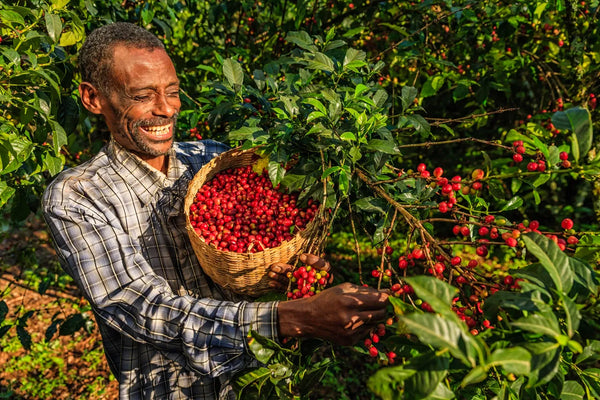
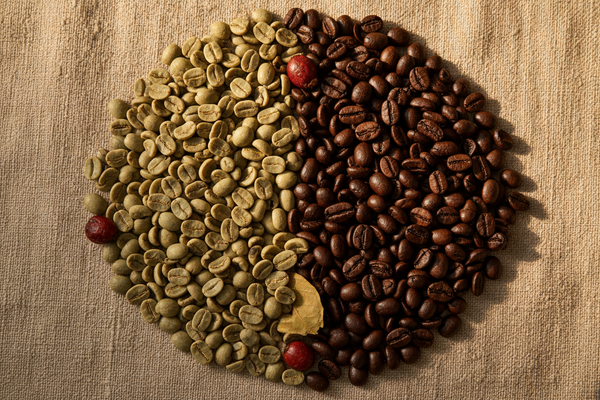
Harrar coffee in short: Harrar (also spelled Harar) is a coffee region in Ethiopia's eastern highlands, around the ancient walled city of Harar. It is grown at roughly 1,500 to 2,100 meters and is almost always natural process (dried in the whole cherry), which gives it a bold, fruit-heavy cup: blueberry, dried fruit, red wine, dark chocolate and spice, with a full body and medium acidity.
Where Is Harrar Coffee Grown?
Harrar coffee grows in the Hararghe highlands of eastern Ethiopia, in the East and West Hararghe zones of the Oromia region. It takes its name from Harar, a historic walled city that is a UNESCO World Heritage Site and one of the oldest trading centers in the Horn of Africa.
Unlike the lush, rainy south where Yirgacheffe, Sidama (Sidamo) and Guji grow, Harrar is drier and more semi-arid. Coffee is grown by smallholder farmers on small plots, often with little shade, and the region's dry climate is a big reason natural processing became the tradition here.
Harrar Coffee Altitude and Harvest
- Altitude: roughly 1,500 to 2,100 meters above sea level
- Harvest: about October to February
- Varieties: Ethiopian heirloom (local landrace) varieties
- Processing: natural, sun-dried on raised beds or the ground
Harrar Natural Process: Why It Tastes the Way It Does
Almost all Harrar coffee is natural process. Farmers dry the whole coffee cherry in the sun for weeks, with the fruit still wrapped around the bean, before hulling. Sugars and flavor compounds from the fruit move into the bean as it dries. That is where Harrar's signature blueberry and wine-like character comes from.
Because drying happens slowly in an open, dry climate, Harrar naturals can vary from lot to lot. The best lots are intensely fruity and clean. Lower grades can taste earthy or rustic. That is why the grade and the specific lot matter so much when you buy Harrar. For more on the method, read Natural vs Washed Ethiopian Coffee.
Harrar Coffee Flavor Profile
| Attribute | Typical Harrar natural |
|---|---|
| Aroma | Blueberry, blackberry, dried fruit, cocoa |
| Flavor | Blueberry, red wine, dark chocolate, spice, raisin |
| Body | Full and round |
| Acidity | Medium, wine-like |
| Finish | Long, sweet, chocolatey |
Compared to other Ethiopian regions, Harrar is the heaviest and most rustic. Yirgacheffe is bright and floral, Sidamo is balanced with berry and cocoa, and Guji is sweet and floral-fruity. Harrar is the one to choose if you want the boldest fruit and the most body.
Harrar Longberry vs Shortberry vs Mocha
Harrar is one of the few origins traditionally sorted by bean shape and size:
- Longberry: larger, elongated beans. The most sought-after Harrar classification.
- Shortberry: smaller, rounder beans. Often bolder and earthier.
- Mocha (Harrar Mocha): peaberries, where the cherry grew a single round bean instead of two. Not to be confused with the chocolate drink or the Yemeni port of Mocha.
Bean size and shape are measured with screens. See our guide to Ethiopian coffee screen size.
What Grade Is Harrar Coffee?
Harrar is graded on the same Ethiopian 1 to 5 scale as every other region, based on defects and cup quality. Because natural processing creates more chances for defects, much of the Harrar sold in the US is commercial grade, often Grade 4 or Grade 5. Higher-grade Harrar lots are less common and taste noticeably cleaner and fruitier. See Ethiopian coffee grades 1 to 5 explained.
How to Brew Harrar Coffee
Harrar's full body and fruit make it excellent in immersion brewers and as espresso.
- French press: 1:15 ratio, coarse grind, 4 minutes at about 200°F. Brings out the chocolate and body.
- Espresso: a classic single-origin espresso with blueberry and dark chocolate. See Best Ethiopian Coffee for Espresso.
- Pour over: use a slightly coarser grind than usual to keep the cup clean and highlight the fruit.
- Traditional jebena: Harrar's boldness suits the Ethiopian way. See How to Make Ethiopian Coffee at Home.
Roasting Harrar green beans at home? Naturals need a gentle drying phase. Medium roasts keep the blueberry; darker roasts push it toward chocolate and spice.
Buy Harrar Green Coffee Wholesale
Buna Utopia sources Ethiopian coffee directly, including Harrar, for roasters, cafes and importers. We can work with you on grade, volume and lot, with no container-sized minimum order, and we offer complimentary cupping samples for serious buyers. Read our Ethiopian green coffee wholesale guide or contact us through the wholesale page.
Frequently Asked Questions
What does Harrar coffee taste like?
Bold and fruity: blueberry, dried fruit and red wine, with dark chocolate, spice, a full body and medium acidity.
Is Harrar coffee natural process?
Almost always. Harrar has a long tradition of sun-drying coffee in the whole cherry, which creates its blueberry and wine-like flavor.
What is Harrar Longberry?
The classification for Harrar's larger, elongated beans. It is the most sought-after Harrar type. Shortberry refers to smaller beans and Mocha to peaberries.
Where is Harrar coffee from?
The Hararghe highlands of eastern Ethiopia, around the historic walled city of Harar, in the Oromia region.
Is Harrar the same as Harar?
Yes. Harar is the city's spelling; Harrar is the traditional spelling used on coffee bags.
How is Harrar different from Yirgacheffe?
Harrar is a dry-processed, full-bodied coffee from the east with blueberry and chocolate. Yirgacheffe is from the south and is known for bright, floral, tea-like washed coffee. See our Yirgacheffe coffee guide.
Written by Alula Kassa, founder of Buna Utopia, a direct-trade Ethiopian coffee importer based in Detroit, Michigan. Read more about Alula.