When you see "Natural" or "Washed" on a bag of Ethiopian coffee, you are looking at one of the most important pieces of information on the label. Processing method is the single biggest variable between two coffees grown on the same farm at the same altitude in the same season. It can be the difference between jasmine and blueberry, between clean brightness and deep jammy sweetness.
Understanding processing is not just for coffee professionals. If you buy Ethiopian coffee -- whether you are a home brewer, a home roaster sourcing green beans, or a cafe owner building a menu -- knowing the difference between natural and washed will help you buy the right coffee every time.
What Is Coffee Processing?
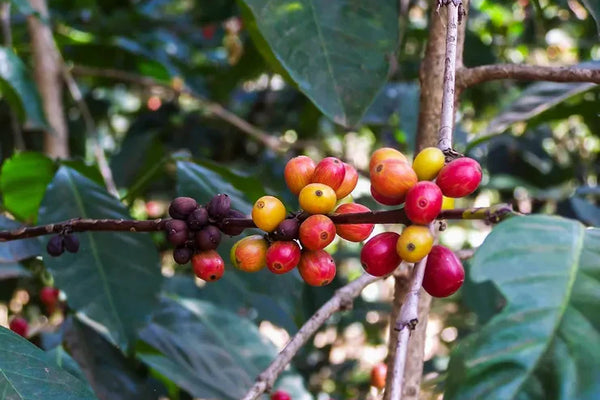
Coffee grows inside a fruit called a cherry. After the cherries are harvested, the bean inside needs to be separated from the fruit before it can be dried, exported, and roasted. How you remove that fruit is the processing method.
The two most common methods in Ethiopia are natural (also called dry process) and washed (also called wet process). Each one results in a dramatically different cup profile from the same origin.
Natural Processing Dry Process
Natural processing is the oldest method in the world and it originated in Ethiopia. After harvest, the whole cherries are spread out on raised drying beds and left to dry in the sun with the fruit still intact around the bean. This process takes two to four weeks depending on climate and elevation.
As the cherries dry, the sugars and flavor compounds from the fruit slowly absorb into the bean through the parchment layer. This is where the bold, fruit-forward character of natural processed coffees comes from. The bean is essentially marinating in the fruit's sugars the entire time it dries.
Workers turn the cherries by hand multiple times a day to ensure even drying and prevent mold. This is labor intensive work that requires constant attention. A poorly managed natural lot will develop off-flavors from uneven fermentation. A well-managed one produces some of the most complex and celebrated coffees in the world.
Once dried, the outer layers are removed through a process called hulling to reveal the green bean inside.
What Natural Processing Tastes Like
Natural processed Ethiopian coffees are fruit-forward, full-bodied, and sweet. Expect:
- Bold berry notes blueberry, blackberry, strawberry
- Jammy, wine like sweetness
- Full, syrupy body
- Lower acidity than washed coffees
- Sometimes a pleasant fermented or "funky" quality that divides opinion
Our Sidamo Grade 1 Natural and Guji Grade 1 Natural are both naturally processed. The Guji in particular -- with its blackberry, jasmine, and sparkling acidity -- represents natural processing at its most expressive.
Washed Processing Wet Process
Washed processing removes the fruit from the bean before drying. After harvest, the cherries are sorted in flotation tanks where unripe or defective cherries float and are removed. The remaining cherries are then de-pulped -- the skin and fruit are mechanically removed -- leaving the bean covered in a sticky layer called mucilage.
The beans are then fermented in water tanks for 18 to 48 hours. This fermentation breaks down the mucilage. Once fermentation is complete, the beans are washed clean with fresh water and moved to drying beds where they dry in parchment -- the thin membrane that surrounds the bean.
Because the fruit is removed early, washed coffees taste primarily of the bean itself rather than the fruit surrounding it. This is why washed coffees are often described as "terroir-driven" they express the soil, altitude, and microclimate of the farm more directly than naturals.
What Washed Processing Tastes Like
Washed processed Ethiopian coffees are clean, bright, and complex in a more delicate way. Expect:
- Floral notes jasmine, bergamot, lavender
- Bright, citrus-like acidity lemon, lime, grapefruit
- Tea-like body lighter and more delicate
- Clean finish with no fermented off-notes
- High clarity individual flavor notes are distinct and well-defined
Yirgacheffe washed coffees are the classic example. The jasmine aroma and lemon brightness that made Yirgacheffe famous globally are most pronounced in washed lots. Our Yirgacheffe offerings highlight this clean, floral character.
How Processing Affects Coffee Grade
Processing method and grading interact in important ways. Natural and washed coffees are evaluated separately by the Ethiopian Commodity Exchange (ECX) because each method introduces different potential defects.
Natural processing creates more opportunities for defects because the fruit is present during drying. Uneven drying, temperature fluctuations, or insufficient turning can create fermented or moldy beans that reduce grade quality. A Grade 1 Natural lot means the farm managed this entire process with exceptional care -- the beans were turned consistently, dried evenly, and sorted rigorously to remove any defective beans before export.
Washed processing is more controlled and generally more consistent, which is why washed lots often have higher cup scores than naturals from the same origin. The trade-off is flavor intensity the clean precision of a washed coffee versus the bold fruit of a well-executed natural is a matter of preference, not quality.
Both our Sidamo Grade 1 Natural and Guji Grade 1 Natural are among the highest quality natural processed lots available from their respective regions.
Which Is Better Natural or Washed?
Neither is better. They are different tools for different goals.
If you want bold fruit character, sweetness, and full body -- natural processing is what you are looking for. It works beautifully in French press, espresso, and any brewing method that highlights body.
If you want clean florals, bright acidity, and tea-like delicacy -- washed processing is the better choice. Pour over and Aeropress are ideal brewing methods for washed Ethiopian coffees.
For roasters and cafes, offering both a natural and a washed Ethiopian gives your customers a way to experience two completely different flavor worlds from the same country of origin. It is also a powerful educational tool -- cupping a natural and washed Ethiopian side by side is one of the best ways to demonstrate how much processing matters.
Natural Processing and Home Roasting
If you are a home roaster buying Ethiopian green beans, the processing method affects how you approach the roast.
Natural processed beans generally need a slightly slower, more careful approach through the drying phase of the roast. The higher moisture content from the fruit sugars means rushing this phase can cause uneven development. Take your time getting to first crack and you will be rewarded with the full fruit complexity that makes Ethiopian naturals exceptional.
After roasting, natural processed beans also benefit from a longer rest before brewing. Two to four days of degassing allows the intense fruit notes to settle and clarify. Brewing too soon after roasting a natural can produce a muddy, overwhelming cup patience pays off.
Buy Ethiopian Natural Processed Green Coffee
At Buna Utopia, we source Grade 1 Natural green coffee directly from small family farms in Sidamo and Guji, Ethiopia. Both lots are available for home roasters in smaller quantities and for wholesale without minimum order requirements.
If you are a roaster or cafe interested in Ethiopian Grade 1 Natural green coffee, visit our wholesale page or email us at info@bunautopia.com. We offer complimentary cupping samples for serious buyers.
If you are a home roaster, shop our current green bean offerings here.