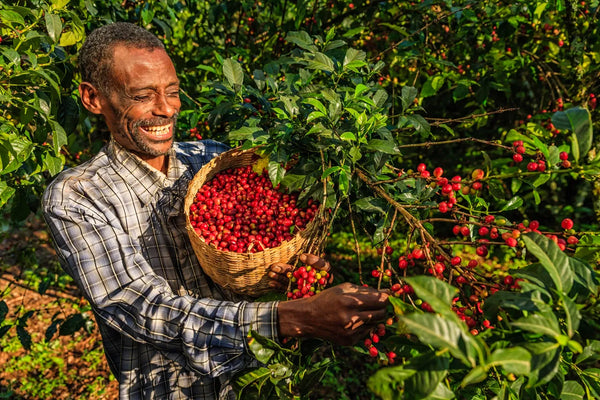
If you've looked into buying Ethiopian coffee directly, you've probably run into the same wall most people do: minimum order requirements that make sense for a large roastery, but not for an individual, a small cafe, or anyone who just wants to try real, direct-trade Ethiopian coffee without committing to a full pallet.
That's the problem Buna Utopia was built to solve. We source premium Ethiopian coffee directly from Ethiopia, roast it fresh to order, and sell it without the container-sized minimums that define most of the Ethiopian coffee export industry. This guide explains why those minimums exist, why we do things differently, and how to buy Ethiopian coffee online the way it should work: based on what you actually want, not what's convenient for a shipping container.
Why Most Ethiopian Coffee Exporters Require Container-Sized Minimums
Ethiopian coffee exporting has traditionally been built around volume. A standard shipping container holds somewhere around 36,000 to 40,000 pounds of green coffee, and most exporters structure their entire business around filling containers as efficiently as possible.
There are real, practical reasons for this:
- Shipping economics. Ocean freight is priced by the container, not by the pound. An exporter moving a full container pays a predictable, relatively low per-pound shipping cost. An exporter trying to ship a few hundred pounds pays a much higher cost per pound, which either makes the coffee more expensive or makes the order not worth handling.
- Export logistics. Customs documentation, lot inspection, and export licensing in Ethiopia are typically structured around large shipments. Processing a small order through the same system takes nearly the same administrative work as a large one, so exporters consolidate orders to make that work worthwhile. Our guide to how Ethiopian coffee is exported walks through each step.
- Buyer relationships. Most traditional exporters sell to large roasters and importers who are already equipped to buy, store, and roast large volumes. The entire system, from the exporter's warehouse to the buyer's roasting facility, is built around scale.
None of this makes large-minimum exporters wrong. For a roaster buying hundreds of thousands of pounds a year, it's an efficient system. But it leaves a real gap for everyone else: cafes testing a new origin, home roasters, small businesses, and coffee drinkers who just want to buy good Ethiopian coffee without buying a container's worth of it.
Why Buna Utopia Takes a Different Approach
Buna Utopia doesn't start from the question "how do we move the most volume." We start from a different one: "is this coffee good enough that people will come back for it."
That's a quality-first approach, not a volume-first one. We import premium Ethiopian coffee directly, and instead of requiring customers to buy at a scale built for logistics convenience, we let people buy what they actually want, whether that's a single bag to try or a recurring wholesale order.
Quality First, Not Volume First
We're confident in our coffee because we control it from sourcing through roasting. We don't blend lots to hit a volume target, and we don't lower our sourcing standard to make larger shipments easier to fill. Every bag reflects the same Grade 1 quality standard, whether it's your first order or your fiftieth.
This is also, honestly, a bet on the coffee itself. We believe that once someone tastes freshly roasted, direct-trade Ethiopian coffee, they'll want more of it, not because they were required to buy a large quantity up front, but because the coffee earned the repeat order on its own.
Direct Sourcing from Ethiopia
"Direct trade" gets used loosely in the coffee industry, so it's worth being specific about what it means at Buna Utopia: we source our green coffee directly from Ethiopia rather than purchasing pre-imported lots through a U.S.-based broker.
That matters for two reasons. First, it means fewer intermediaries between the farm and your cup, which keeps origin information intact: you know the region, the grade, and the process behind what you're drinking, not a vague "product of Ethiopia" label. Second, it means we're not paying a chain of markups that get added every time coffee changes hands, which is part of what lets us sell without requiring massive minimum orders in the first place.
We currently source from three of Ethiopia's most respected growing regions: Yirgacheffe, known for its bright, floral character; Sidama, with its fuller body and fruit-forward sweetness; and Guji, prized for its intense, complex natural-process lots. Every bag is single-origin: we don't blend regions together.
Buying Ethiopian Green Coffee Wholesale: MOQ, Samples and What to Ask
If you're a roaster or cafe buying Ethiopian green coffee wholesale, the minimum order quantity (MOQ) is usually the first question. Traditional exporters often set it at a full container or a large lot. Buna Utopia has no minimum order: you can start with a cupping sample, move to a small trial order, and scale to a recurring wholesale volume when the coffee proves itself on your menu.
Whoever you buy from, ask these questions before you order:
- What grade is the lot? Grade 1 and Grade 2 are specialty. See Ethiopian coffee grades 1 to 5 explained.
- Natural or washed? Processing changes the cup more than almost anything else. See natural vs washed Ethiopian coffee.
- Which region and crop year? Yirgacheffe, Sidama (Sidamo), Guji and Harrar taste very different, and fresh crop green coffee cups brighter.
- Can I cup a sample first? A serious supplier will send samples before you commit to volume.
- How was it exported? ECX lots trace to region and grade; direct export can trace further, to a specific cooperative or washing station.
Roasted to Order: What It Means and Why It Matters
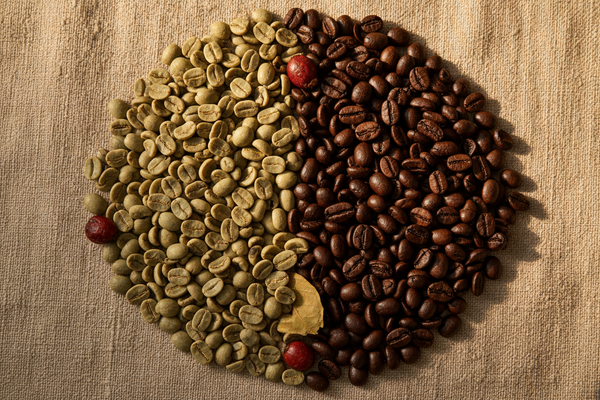
Most coffee on grocery store shelves, and a lot of coffee sold online, was roasted weeks or even months before it reaches you. By the time it's brewed, much of what made it interesting at roast time has already faded.
Buna Utopia roasts to order. That means your coffee isn't pulled from a pre-roasted inventory sitting in a warehouse; it's roasted specifically for your order and ships within 48 hours of your order. If you'd rather roast it yourself, we also sell green, unroasted beans, so you can roast exactly when you want the freshest possible cup.
Why Freshness Matters More Than You Think
Roasted coffee starts losing its aromatic compounds almost immediately after roasting. The flavor notes that make a specific origin and lot interesting, the jasmine in a Yirgacheffe, the blueberry in a Guji, the chocolate depth in a Sidama, are at their peak in the first few weeks after roasting and fade noticeably after that.
This is part of why we don't try to be the cheapest option, and it's not something we try to compete on. A bag of coffee that's been sitting for months can be priced lower, but it won't taste like what the farm actually produced. We'd rather sell less coffee that tastes like what it's supposed to than more coffee that doesn't.
How to Buy Ethiopian Coffee from Buna Utopia
Buying from Buna Utopia is straightforward, whether you're a first-time customer or a cafe considering a wholesale relationship:
- Retail orders: Shop roasted or green coffee directly on our site, by the bag, with no minimum order quantity. Try one region, or all three.
- Wholesale and cafe orders: We work with roasters, cafes, and retailers who want consistent, direct-trade Ethiopian coffee without committing to container-sized volume. Reach out through our wholesale page to discuss what fits your business.
- Not sure where to start? If you're new to Ethiopian coffee, our regional guides break down the differences between Yirgacheffe, Sidama, and Guji so you can choose based on the flavor profile you actually want.
Frequently Asked Questions
Does Buna Utopia have a minimum order quantity?
No. You can order a single bag of roasted or green coffee with no minimum, which is different from most Ethiopian coffee exporters, who typically require container-sized orders.
What is the minimum order for wholesale Ethiopian green coffee?
Most Ethiopian exporters set the MOQ at a full container or a large lot. Buna Utopia has no minimum order for wholesale green coffee, so roasters and cafes can start small and scale up.
Can I request a sample before ordering wholesale?
Yes. We offer complimentary cupping samples for serious wholesale buyers. Request one through our wholesale page or email info@bunautopia.com.
Why do most Ethiopian coffee exporters require large minimum orders?
It mostly comes down to shipping and logistics economics. Ocean freight is priced by the container, and export documentation and inspection processes are built around large shipments, so most exporters consolidate orders to make the process efficient.
What does "direct trade" mean at Buna Utopia?
It means we source and import our green coffee directly from Ethiopia, rather than buying pre-imported lots through a U.S.-based broker. This keeps origin information intact and reduces the number of intermediaries between the farm and your cup.
What does "roasted to order" mean?
Instead of roasting large batches in advance and storing them, we roast your coffee specifically for your order and ship it within 48 hours, so you receive it close to peak freshness.
Can I buy green, unroasted Ethiopian coffee beans?
Yes. We sell both roasted and green beans. Green beans are a good option if you roast at home or commercially and want full control over roast level and timing.
Which Ethiopian coffee region should I try first?
It depends on your taste. Yirgacheffe is bright and floral, Sidama is fuller-bodied with fruit-forward sweetness, and Guji offers intense, complex natural-process flavor. Our regional guides go into more detail on each.
Does Buna Utopia offer wholesale pricing for cafes and roasters?
Yes. We work with cafes, roasters, and retailers who want direct-trade Ethiopian coffee without committing to the large volumes traditional exporters require. Reach out through our wholesale page to discuss your needs.
Why doesn't Buna Utopia compete on price?
Our focus is quality and freshness rather than being the lowest-cost option. We'd rather be judged on how the coffee actually tastes than on being the cheapest bag on the shelf.
Try Ethiopian Coffee the Way It's Meant to Be Tasted
You don't need to buy a container of coffee to find out whether direct-trade Ethiopian coffee is worth it. Order a single bag, roasted fresh to order, and see for yourself. If it's as good as we think it is, you'll be back, not because you were required to buy more, but because you'll want to.
Shop Ethiopian coffee or get in touch about wholesale.
Written by Alula Kassa, founder of Buna Utopia, a direct-trade Ethiopian coffee importer based in Detroit, Michigan. Read more about Alula.