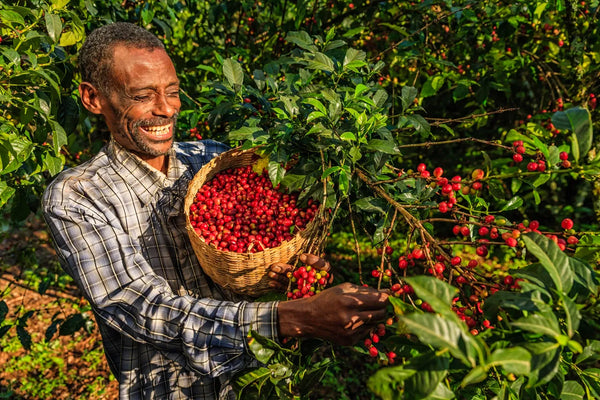
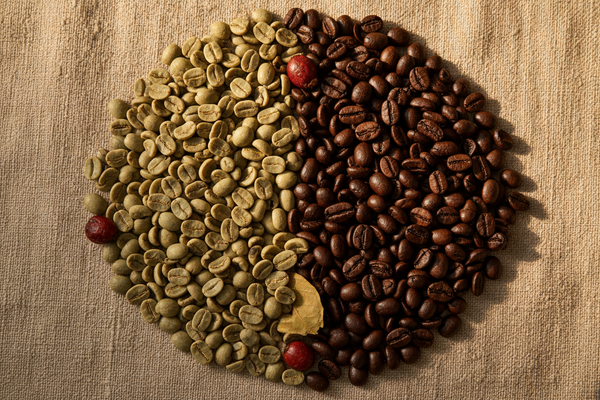
Buna (ቡና) is the Amharic word for coffee. In Ethiopia, buna means both the drink and the social ritual around it. When an Ethiopian says "buna tetu" (drink coffee), it is an invitation to sit down, slow down and talk, usually over three small cups prepared in the traditional coffee ceremony.
How do you pronounce buna?
Buna is pronounced "BOO-nah". In Afaan Oromo, Ethiopia's most widely spoken language, coffee is "buna" too, and related words appear across the region: "bunn" in Tigrinya areas and "bun" in Arabic, the root of the old European word for the coffee bean.
What buna means in Ethiopian life
Coffee is not a quick caffeine stop in Ethiopia. Neighbors gather for buna in the morning, afternoon and evening. It is part of welcoming guests, celebrating, mourning, and resolving disagreements. A common saying, "buna dabo naw", means "coffee is our bread": coffee is as basic to daily life as food.
The buna ceremony
The fullest expression of buna is the coffee ceremony: green beans are washed and roasted in front of guests, ground by hand, brewed in a clay jebena, and served in three rounds called abol, tona and baraka. Read the full guide to the Ethiopian coffee ceremony.
Buna and the birthplace of coffee
Arabica coffee originated in Ethiopia's highland forests, and Ethiopians drink a large share of the coffee they grow. That long relationship is why Ethiopian coffee culture, from the ceremony to the vocabulary, is so rich. More history: Ethiopia, the birthplace of coffee and the complete guide to Ethiopian coffee.
Buna words to know
| Word | Meaning |
|---|---|
| Buna | Coffee, the drink and the gathering |
| Buna tetu | "Drink coffee", an invitation to share coffee |
| Jebena | Clay coffee pot with a round base and long neck |
| Sini | Small handleless cups used to serve buna |
| Rekebot | Tray or small table that holds the cups |
| Abol, tona, baraka | The first, second and third rounds of coffee in the ceremony |
| Fendisha | Popcorn, a traditional snack served with buna |
| Etan | Frankincense burned during the ceremony |
How Ethiopians drink buna
Traditional buna is strong, rich and served in small cups, often with sugar, and in some regions with salt, butter or rue (tena adam) leaves. It is unfiltered: the grounds settle in the jebena and the coffee is poured carefully so they stay behind. Snacks such as popcorn, roasted barley (kolo) or bread are served alongside. Each round is weaker than the one before, and staying for all three is a sign of respect.
How to make buna at home
You do not need special equipment to enjoy buna. Roast green Ethiopian coffee beans in a heavy pan over medium heat, stirring constantly until they are dark brown and fragrant, about 10 to 15 minutes. Let them cool, grind them fine, and simmer about 2 tablespoons of coffee per cup of water in a small pot. Let the grounds settle for a few minutes, then pour gently into small cups. If you do not want to roast, use a fresh medium or dark roast Sidamo, ground fine.
Buna in the Ethiopian community abroad
For Ethiopians living in the United States and Canada, buna is one of the strongest links to home. Families hold coffee ceremonies on holidays such as Ethiopian New Year (Enkutatash) and Ethiopian Christmas (Genna), and Ethiopian restaurants often serve buna after meals. Sharing buna with friends who are not Ethiopian is one of the easiest ways to share the culture.
Buna across Ethiopia's cultures
Coffee traditions differ across Ethiopia's many communities. Among the Oromo, coffee has deep ceremonial meaning, including buna qalaa, in which coffee beans are cooked in butter and shared at important occasions. In the Harar area, people also drink hoja, a tea made from dried coffee husks. In the south, coffee leaves are sometimes brewed as a tea called kuti. All of these show how much of the coffee plant, and how much of daily life, buna touches in Ethiopia.
Why we are called Buna Utopia
Buna Utopia takes its name from this word. Our founder grew up in Ethiopia with buna as part of every day, and the company exists to bring that coffee, as Ethiopians know it, to North America: Grade 1 beans imported directly from Yirgacheffe, Guji and Sidamo, sold roasted to order or green so you can roast them for your own ceremony.
Frequently asked questions
What is buna?
Buna is the Amharic word for coffee. It refers both to the drink and to the social ritual of drinking coffee together in Ethiopia.
What does buna tetu mean?
Buna tetu means "drink coffee". It is the phrase used to invite people to share coffee.
Is buna the same as the Ethiopian coffee ceremony?
Buna means coffee. The coffee ceremony is the traditional way buna is prepared and served for guests and family.
How do you make buna at home?
Roast green Ethiopian coffee in a pan until dark brown, grind it fine, simmer it in a small pot with water, let the grounds settle and pour into small cups.
What is a jebena?
A jebena is the traditional Ethiopian clay coffee pot with a round base and long neck, used to brew buna.
Where can I buy Ethiopian buna?
Buna Utopia sells Grade 1 Ethiopian coffee, roasted or green, imported directly from Ethiopia and shipped from Detroit, Michigan.
Written by Alula Kassa, founder of Buna Utopia, a direct-trade Ethiopian coffee importer based in Detroit, Michigan. Read more about Alula.