Best Ethiopian Coffee for Pour Over
Washed Yirgacheffe is the classic choice for pour-over: its bright acidity, floral aromatics, and light body are exactly what methods like V60 and Chemex are designed to highlight.
| Coffee | In pour-over | Best brewer |
|---|---|---|
| Yirgacheffe | Jasmine, bergamot, lemon, tea-like | Chemex, V60 |
| Guji Natural | Blackberry, peach, jasmine, juicy | V60, Kalita Wave |
| Sidamo Natural | Berry, chocolate, rounder body | Kalita Wave, flat-bottom drippers |
Why Yirgacheffe Works So Well
Pour-over brewing (V60, Chemex, Kalita) generally produces a cleaner, more textured cup than immersion methods, which showcases washed coffee's clarity and delicate top notes rather than muting them.
Recommended Buna Utopia Option
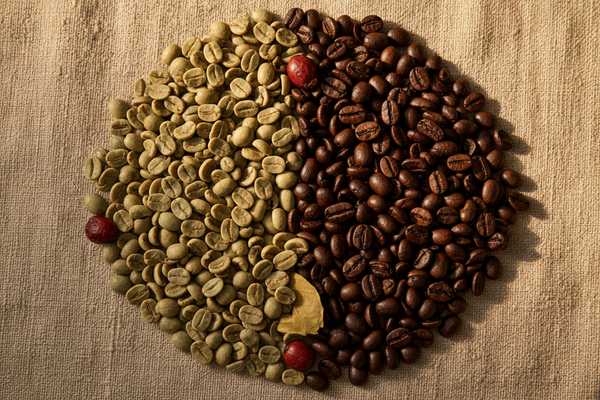
Yirgacheffe (green or roasted): floral, citrus-forward, light body. Our Yirgacheffe is a Grade 1 natural, so it adds blueberry and a little more body to the classic jasmine and lemon. Natural Sidamo or Guji can also work well in pour-over for drinkers who want more fruit and body while still getting clarity, especially with a slightly coarser grind.
Brewing Tips
- Medium-fine grind, water just off boiling (around 200°F/93°C)
- Standard ratio starting point: 1:16 coffee-to-water (e.g., 20g coffee to 320g water), adjust to taste
- Bloom for 30 to 45 seconds before the main pour to let CO2 escape and even out extraction
Pour-over recipes for Ethiopian coffee
| Brewer | Coffee | Water | Temperature | Total time |
|---|---|---|---|---|
| V60 | 18 g | 300 g | 93°C (200°F) | About 3 min |
| Chemex | 30 g | 500 g | 90 to 93°C | About 4 min |
| Kalita Wave | 20 g | 320 g | 93°C | About 3.5 min |
Step-by-Step V60 Recipe for Ethiopian Coffee
- Heat water to about 200°F (93°C). Rinse the paper filter with hot water and discard the rinse water.
- Grind 18 g of coffee medium-fine, about the texture of coarse sand.
- Bloom: start a timer and pour about 40 g of water, enough to wet all the grounds. Wait 30 to 45 seconds.
- Main pour: pour slowly in small circles to 180 g by about 1:15.
- Final pour: continue to 300 g by about 2:00.
- Drawdown: let it drain. Total time should be around 3:00. Swirl and serve.
Best Roast Level for Pour Over
Light to medium roasts are best. Light roast keeps Yirgacheffe's jasmine and lemon at their brightest. Medium roast adds sweetness and body, which suits Guji and Sidamo. Dark roasts tend to taste flat in pour over because the delicate aromatics fade. Buna Utopia roasts every bag to order, so choose light for Yirgacheffe and light or medium for Guji.
Water Matters More Than You Think
A cup of pour over is about 98 percent water. Very hard tap water mutes floral notes, and distilled water makes coffee taste flat. Filtered tap water or a light mineral water is a good middle ground. If your Ethiopian coffee tastes dull even with good technique, try different water before changing anything else.
Freshness and Grinding
Pour over shows every detail, including staleness. Brew within about four weeks of roasting and grind right before you brew. A burr grinder gives an even grind; blade grinders make dust and boulders that cause uneven extraction and bitterness.
Pour Over Cold Brew and Iced Coffee
Ethiopian coffee makes excellent iced pour over. Use the same recipe but replace about 40 percent of the water with ice in the carafe: for example 18 g of coffee, 180 g of hot water and 120 g of ice. The coffee chills instantly and keeps its bright, fruity flavor. For classic cold brew, see our Sidamo guide.
V60 vs Chemex vs Kalita Wave for Ethiopian Coffee
- V60: fast flow and lots of control. Best for highlighting Yirgacheffe's florals and acidity.
- Chemex: thick paper filters make a very clean, tea-like cup. Great for larger batches and for Yirgacheffe.
- Kalita Wave: flat bottom and even extraction, more forgiving for beginners. Brings out sweetness and body in Guji and Sidamo.
Whichever you use, keep the ratio, grind and water temperature consistent and change one thing at a time.
Troubleshooting
- Sour, thin or weak: grind finer or pour more slowly.
- Bitter or drying: grind coarser or lower the water temperature slightly.
- Muted florals: use a lighter roast and fresher beans; brew within about 4 weeks of roasting.
Frequently Asked Questions
Is Yirgacheffe good for pour-over?
Yes, it's widely considered one of the best coffees for pour-over specifically because of its bright, floral, tea-like character.
What grind size is best for pour-over?
Medium-fine, roughly the texture of coarse sand, adjust based on your brew time and taste.
Is Guji good for pour-over?
Yes. Natural Guji makes a juicy, fruit-forward pour-over with more body than Yirgacheffe.
What roast is best for pour over?
Light to medium. Light roast keeps floral and citrus notes brightest; medium adds sweetness and body.
What is the best coffee to water ratio for pour over?
Start around 1:16, for example 18 g of coffee to about 290 to 300 g of water, then adjust to taste.
Where can I buy Yirgacheffe for pour-over?
Shop Buna Utopia's Yirgacheffe, roasted to order, or buy it green to roast yourself.
Written by Alula Kassa, founder of Buna Utopia, a direct-trade Ethiopian coffee importer based in Detroit, Michigan. Read more about Alula.